Removing Trees Before They Become Hazards
Tree removal in Columbia for dead, leaning, or structurally compromised trees near homes and structures
A1 Tree Removal provides professional tree removal services in Columbia, Tennessee, for homeowners who need to eliminate trees that have died, begun leaning toward structures, or developed structural instability due to decay or storm damage. When you notice a tree with a hollow trunk, large dead limbs overhanging your roof, or a noticeable lean that worsens after heavy rain, removal prevents the tree from falling unpredictably and causing damage to your home, fence, or vehicles. This service is also used to clear space for construction, remove trees that interfere with utility lines, or eliminate specimens affected by disease that could spread to nearby trees.
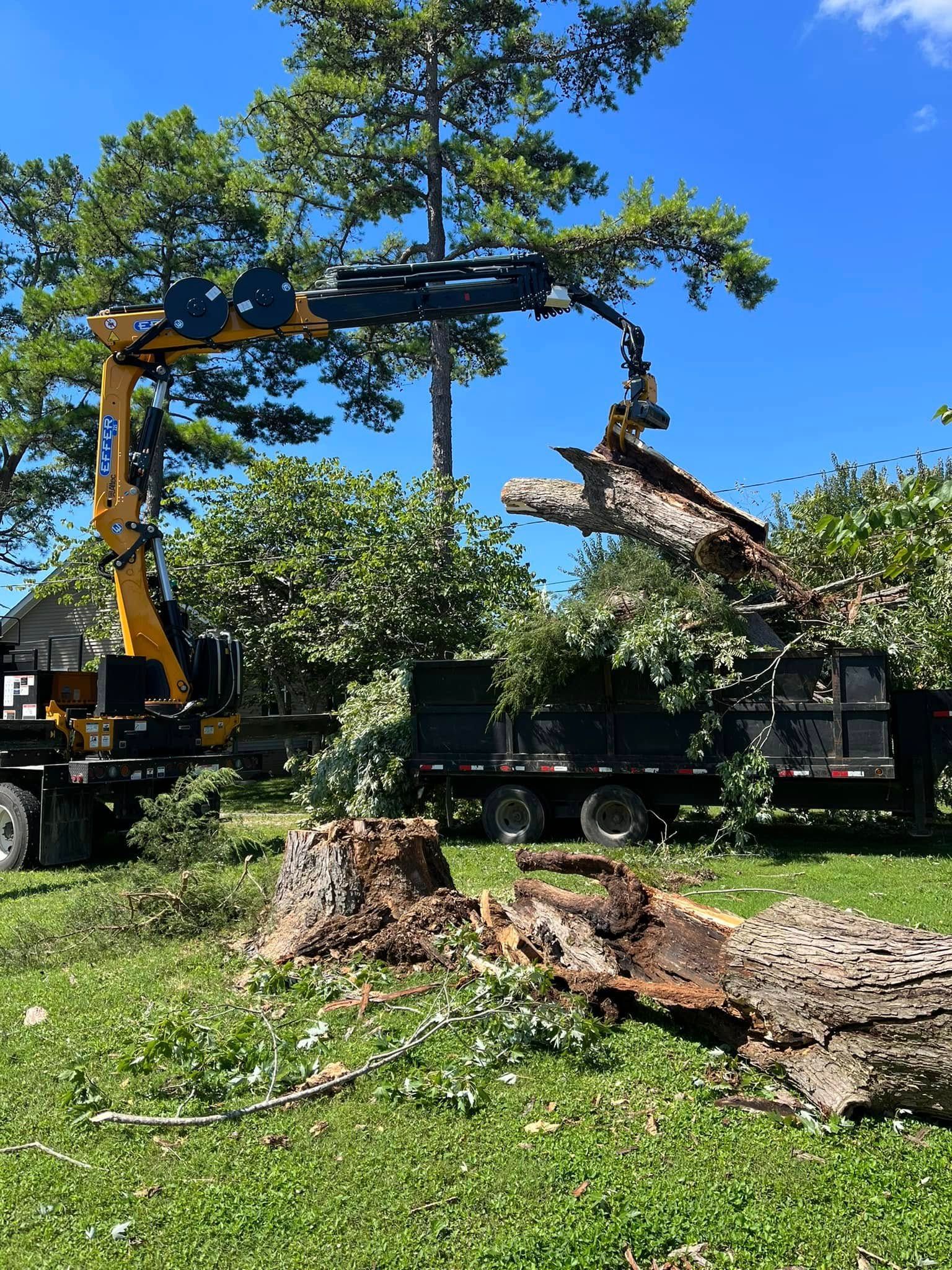
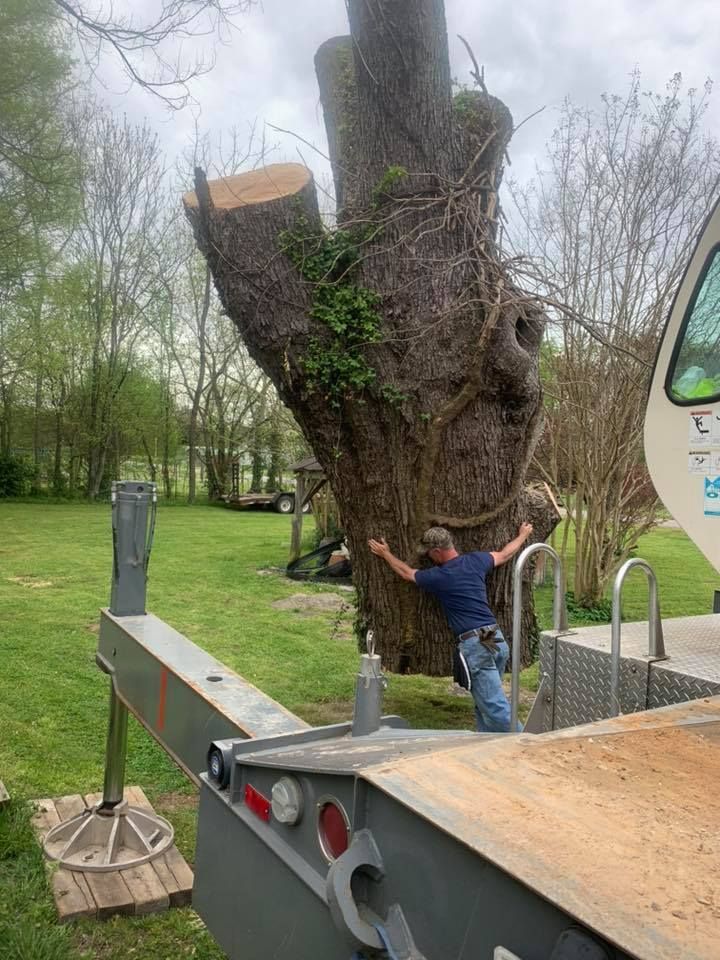
Tree removal involves more than cutting the trunk at ground level. Crews evaluate the tree's condition, proximity to structures, and surrounding obstacles before selecting the safest dismantling method. Large trees near homes are removed in sections, with climbers or bucket trucks used to access upper branches and cut the tree from the top down. Each section is lowered using ropes or rigging systems to avoid contact with roofs, fences, or landscaping below. Smaller trees in open areas may be felled in one piece, while trees entangled in power lines require coordination with utility providers.
If you have a tree that you suspect is dying, leaning, or too close to your home, contact A1 Tree Removal to schedule an assessment and discuss removal options.
What Happens After the Tree Comes Down
Once a tree is removed, your yard will change noticeably. The space previously occupied by the canopy opens up, allowing more sunlight to reach your lawn and surrounding plants. You will also eliminate the risk of falling branches during storms, which is especially important if the tree was already dropping limbs or showing signs of internal rot. Removing a tree near a structure reduces the chance of root damage to foundations or sewer lines and prevents branches from scraping siding or clogging gutters.
After removal, the stump remains unless grinding is requested separately. Crews cut the trunk as close to ground level as possible and remove all branches, logs, and debris from the site unless you ask to keep firewood or mulch material. A1 Tree Removal can coordinate debris hauling and stump grinding as part of the same project, or you can schedule those services later depending on your timeline and budget.
Proper tree removal minimizes disruption to surrounding landscaping, but some surface roots or minor soil disturbance may occur depending on equipment access. The process does not include replanting, grading, or repairing turf, though the cleared area will be ready for new landscaping, grass seeding, or other uses once the stump is addressed.
Common Questions About Tree Removal
Homeowners in Columbia often ask similar questions when planning to remove a tree from their property.
How do you remove a tree that is close to my house without damaging the roof?
Crews use sectional dismantling, cutting the tree from the top down and lowering each piece with ropes to control its descent and avoid contact with the structure.
What if the tree has already started leaning after a storm?
Leaning trees create tension in the trunk and roots, so crews assess the direction of the lean and the stability of the root plate before cutting to prevent sudden movement.
Will you remove the stump as part of tree removal?
Stump removal is a separate service that requires grinding equipment, but it can be scheduled at the same time or after the tree is removed.
How long does it take to remove a large tree?
Removal time depends on the tree's size, location, and complexity, but most residential trees are removed within a few hours to a full day.
Removing a tree that poses a risk to your home or limits your use of the yard restores safety and opens up space for new projects. Reach out to A1 Tree Removal to schedule an evaluation and discuss the best approach for your property.